
MiniMax H3 API: AI Video Generator with Native Audio
Generate text-to-video and image-to-video with native stereo audio through PiAPI's managed MiniMax H3 API. A cost-conscious Seedance 2 and Kling AI alternative—without model downloads or GPU infrastructure.
MiniMax H3 API Pricing
Billed per generated second. Compare the per-second rate and common 5s, 10s, and 15s totals.
MiniMax H3 · 480pBest value
$0.03 /second
- 5s $0.15 · 10s $0.30 · 15s $0.45
- Text-to-video and image-to-video included
- Native stereo audio included
MiniMax H3 · 768pHigher quality
$0.05 /second
- 5s $0.25 · 10s $0.50 · 15s $0.75
- Higher-resolution video output
- Native stereo audio included
MiniMax H3 · 1080p
$0.07 /second
- 5s $0.35 · 10s $0.70 · 15s $1.05
- Higher-resolution video output
- Native stereo audio included
MiniMax H3 Less Restriction · 480p
$0.04 /second
- 5s $0.20 · 10s $0.40 · 15s $0.60
- Text-to-video and image-to-video included
- Native stereo audio included
MiniMax H3 Less Restriction · 768p
$0.06 /second
- 5s $0.30 · 10s $0.60 · 15s $0.90
- Higher-resolution video output
- Native stereo audio included
MiniMax H3 Less Restriction · 1080p
$0.08 /second
- 5s $0.40 · 10s $0.80 · 15s $1.20
- Higher-resolution video output
- Native stereo audio included
MiniMax H3 API features
Everything you need to add MiniMax H3 video generation to your product.
Text-to-video API
Turn a prompt into an AI-generated video for apps, creative tools, and automated content workflows.
Image-to-video API
Animate a first-frame JPG or PNG for product shots, advertising, and visual storytelling.
Native stereo audio
Generate synchronized video and stereo audio in one workflow—no separate sound step required.
Flexible video output
Choose 512p or 768p resolution and generate clips from 5 to 15 seconds.
Asynchronous API
Submit a task, poll its status, and retrieve the completed video URL without blocking your app.
Managed API access
Use the open-weight MiniMax H3 model without downloads, GPU provisioning, ComfyUI setup, or inference maintenance.
Seedance and Kling alternative
A cost-conscious option for text-to-video, first-frame image-to-video, and native audio workflows.
Community roadmap
We will evaluate useful MiniMax H3 community variants and LoRAs for future managed API access.
Use the MiniMax H3 API
Create your API key
Sign up and grab an API key from the PiAPI workspace — free credits are included on sign-up.
Top up credits
Add credits on the billing page when you are ready to scale beyond the free tier.
Call the API
POST your first task following the API docs, then poll the task until the result is ready.
Iterate in the playground
Prototype prompts and settings in the the playground above before wiring them into your product.
curl -X POST 'https://api.piapi.ai/api/v1/task' \
  -H 'X-API-Key: YOUR_API_KEY' \
  -H 'Content-Type: application/json' \
  -d '{
    "model": "Qubico/minimax-h3",
    "task_type": "txt2video",
    "input": {
      "prompt": "A golden retriever puppy running across a sunny grass lawn toward the camera, cinematic",
      "resolution": "480p",
      "duration": 5,
      "aspect_ratio": "16:9"
    }
  }'

# → { "task_id": "9d5a…", "status": "pending" }
curl 'https://api.piapi.ai/api/v1/task/{task_id}' \
-H 'X-API-Key: YOUR_API_KEY'
# poll until status = completed
{
"data": {
"status": "completed",
"output": {
"video": "https://img.theapi.app/ephemeral/…"
}
}
}$ npm install -g piapi-cli $ piapi run minimax-h3 \ prompt="A golden retriever puppy running across a sunny grass lawn toward the camera, cinematic" \ resolution=480p \ duration=5 \ aspect_ratio=16:9 ✓ Task completed! https://img.theapi.app/ephemeral/…
MiniMax H3 API Frequently Asked Questions
What is MiniMax H3 API?
MiniMax H3 API creates MP4 videos with native stereo audio from text prompts or a first-frame image.
Does MiniMax H3 support image-to-video?
Yes. Choose image-to-video mode, upload a public JPG or PNG first-frame image, and provide a prompt.
Which resolutions and durations are supported?
The PiAPI MiniMax H3 integration supports 512p and 768p output with requested durations from 5 to 15 seconds.
How do I call MiniMax H3 through PiAPI?
Create a txt2video or img2video task, poll its task ID until completion, and read the generated video URL from the response output.
Why use the MiniMax H3 API on PiAPI instead of self-hosting?
PiAPI gives developers a managed MiniMax H3 API without the GPU capacity planning, model downloads, ComfyUI setup, storage, scaling, monitoring, upgrades, and security work required by local deployment. You can start in the PiAPI Playground, then use the same asynchronous API workflow in production.
Is MiniMax H3 a good Seedance alternative?
MiniMax H3 is a practical Seedance alternative for developers who need text-to-video, first-frame image-to-video, and native stereo audio through a managed AI video API. Seedance is a better fit when a workflow specifically needs PiAPI's broader multi-image, video, or audio reference modes.
How does MiniMax H3 compare with Kling AI?
MiniMax H3 is a cost-conscious Kling AI alternative for text-to-video and first-frame image-to-video with native stereo audio. Kling offers a broader model family and additional reference and generation controls. PiAPI lets you test both API workflows before choosing a model for production.
Is MiniMax H3 an uncensored AI video generator?
Some community users describe local MiniMax H3 open-weight workflows as uncensored, but results and moderation vary by checkpoint, runtime, and hosting provider. PiAPI does not promise an unfiltered endpoint: requests must follow applicable model moderation and PiAPI's NSFW content policy.
Will PiAPI support MiniMax H3 community variants and LoRAs?
PiAPI will continue following the MiniMax H3 open-source community and evaluating useful community model variants and LoRAs. Any future managed API availability will depend on compatibility, output quality, licensing, safety, stability, and production demand.
More questions? See the API docs.
Our blog
MiniMax H3 API
MiniMax H3 API
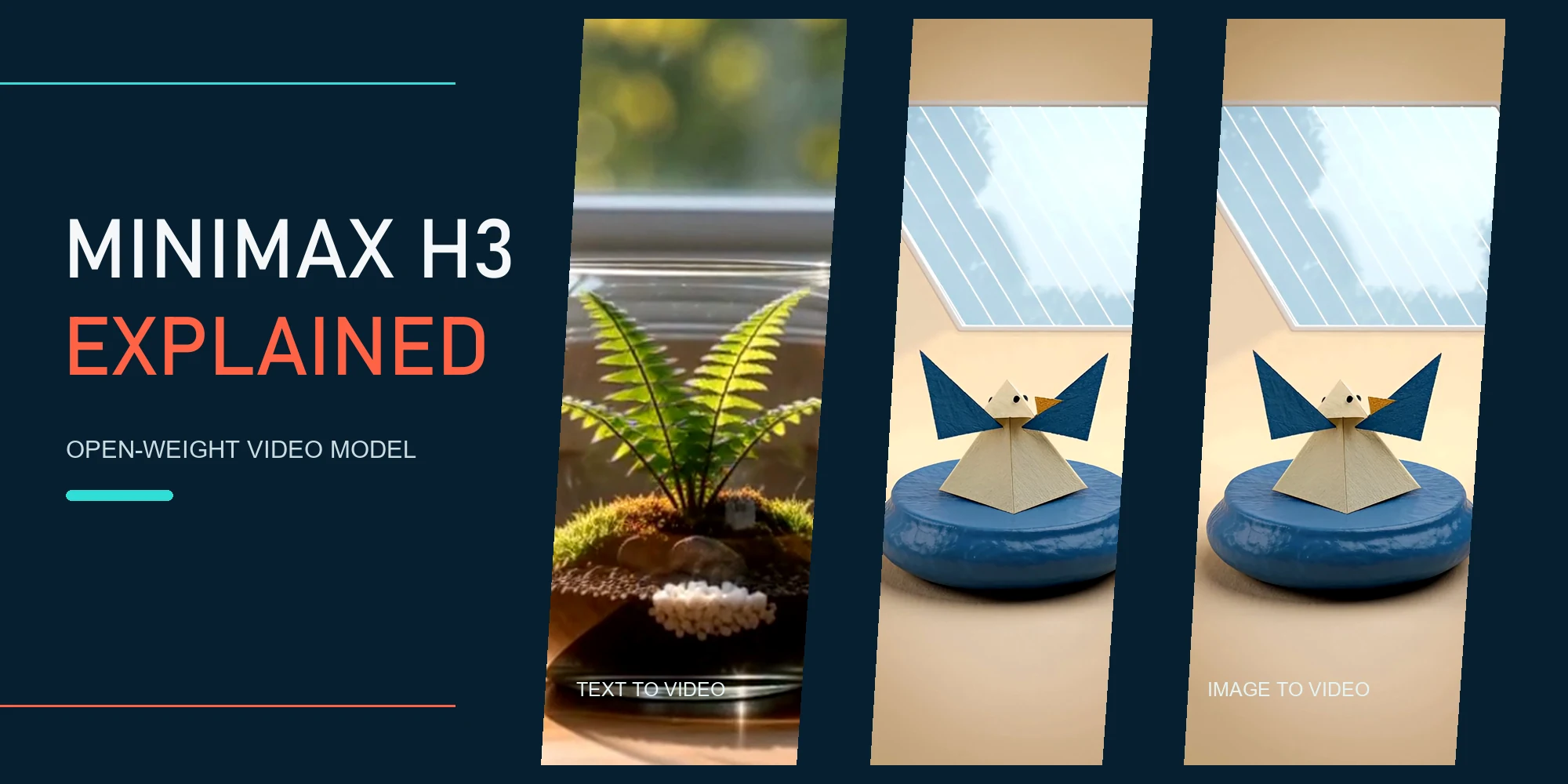
MiniMax H3 Explained: Open-Weight Video Model
Learn what MiniMax H3 is, why its open-weight ecosystem matters, what PiAPI supports, how much it costs, and where its video quality fits.
MiniMax H3 API
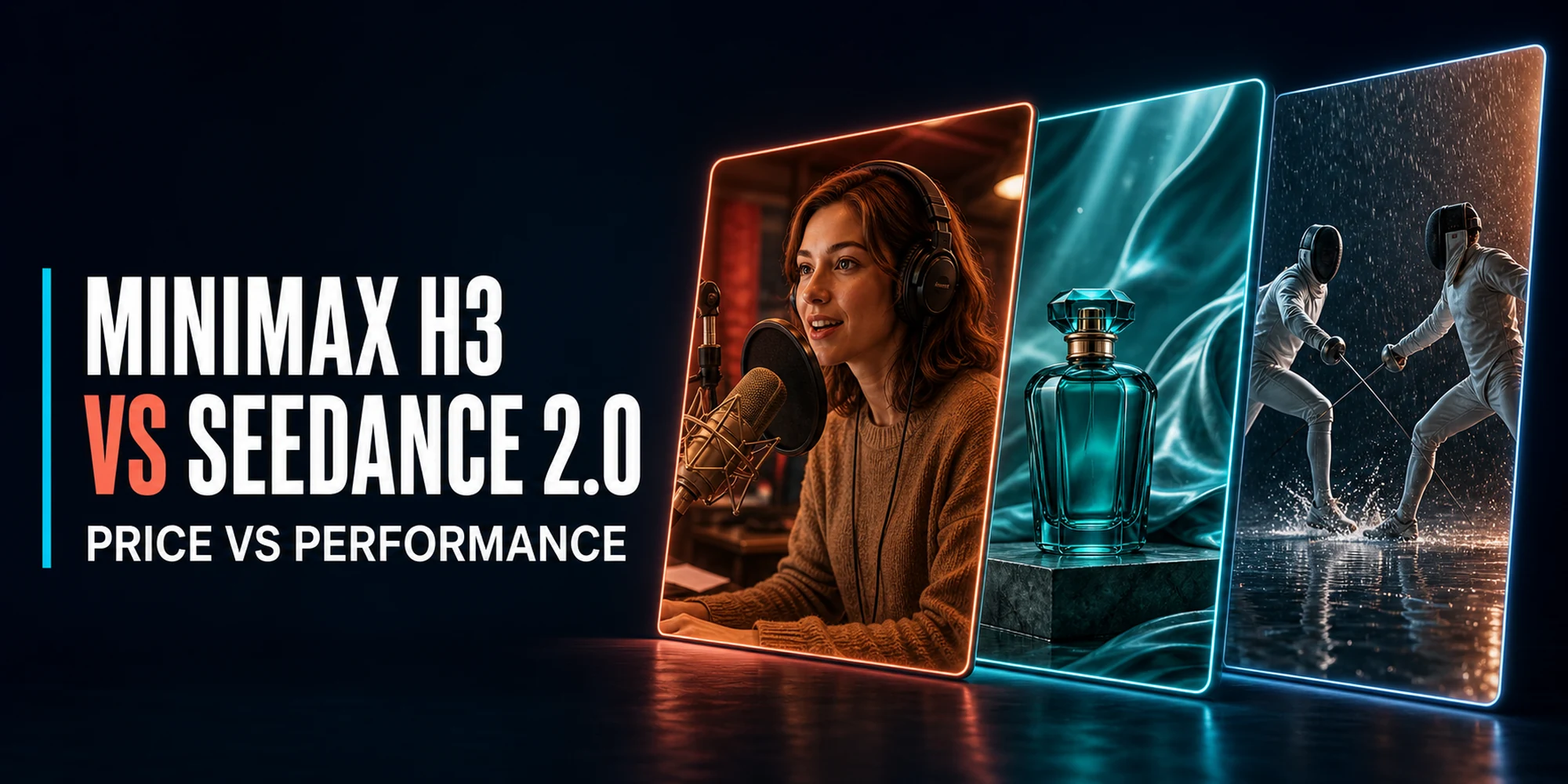
MiniMax H3 vs Seedance 2.0: Is Seedance Worth the Higher Price?
Compare MiniMax H3's low-cost, open-weight approach with Seedance 2.0's premium video quality using matched PiAPI tests, pricing, and real outputs.
MiniMax H3 API
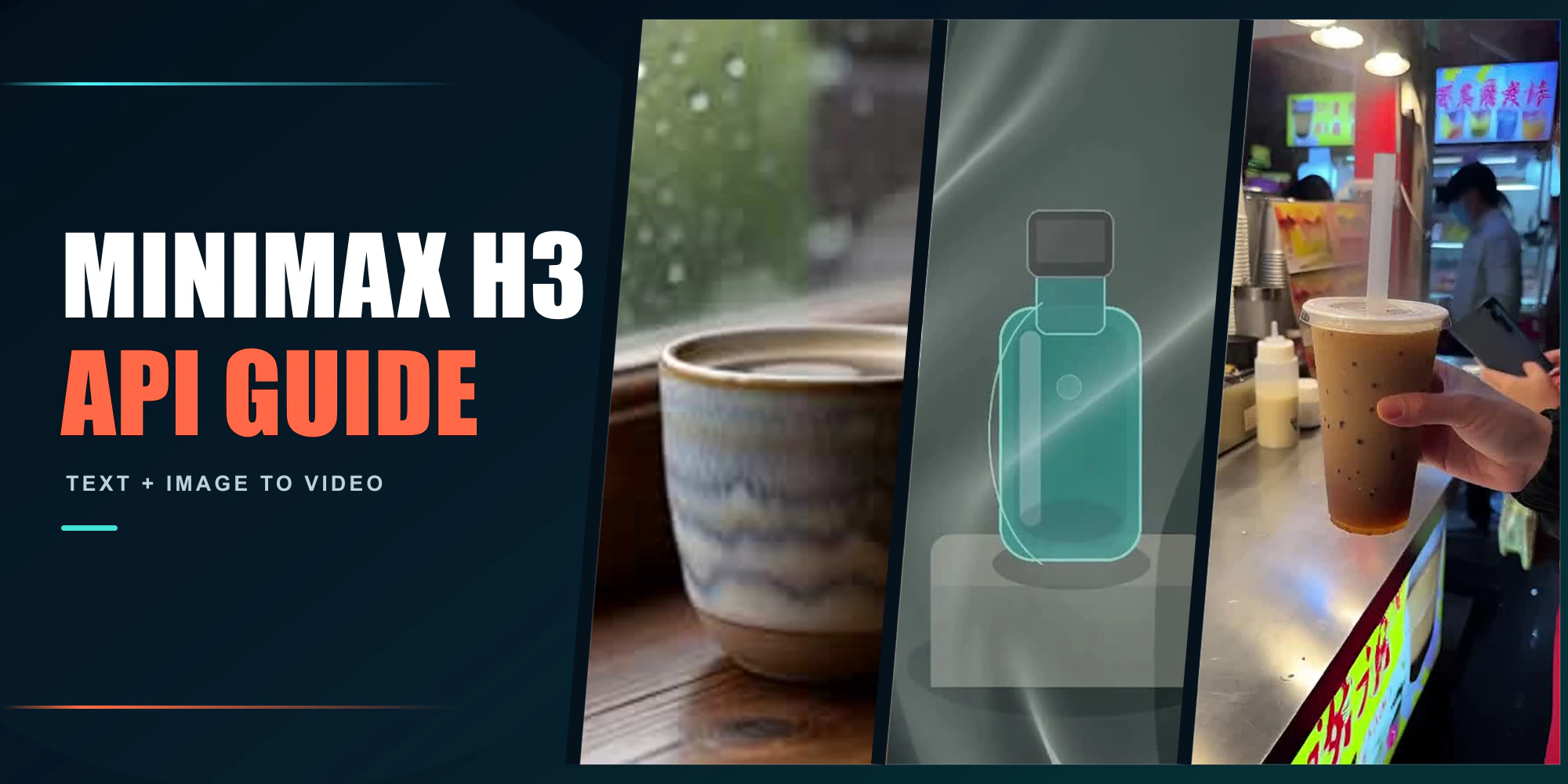
How to Use the MiniMax H3 API: Text-to-Video and Image-to-Video Examples
Use the MiniMax H3 API through PiAPI with text-to-video and image-to-video examples, native audio, pricing, parameters, polling, and troubleshooting.